
Optical Sources
SLED-based broadband and high-stability sources built for sensing, imaging and optical test — the SLED Broadband Source and LumiCore.
Explore sources →Photonics engineered in Spain
Maxer Photonics develops and manufactures fiber-optic components, broadband optical sources and precision measurement systems — each engineered and verified against its own spectral performance specifications.
Explore ProductsOptical Measurement
Precision optical measurement brings source performance, stability and system behavior into one controlled workflow.
Precision Engineering
Every Maxer instrument is a precise stack of optical, electronic and mechanical parts — engineered individually, then assembled into one calibrated system.
Why Maxer Photonics
Since 2009, we’ve been developing advanced fiber optic systems, photonic components and precision technologies for demanding real-world applications.
Our in-house expertise combines optical design, electronics, precision assembly and advanced testing to deliver reliable photonic systems.
From concept and design to manufacturing and testing, Maxer Photonics develops the technologies that connect every stage of the photonics ecosystem.
What We Do
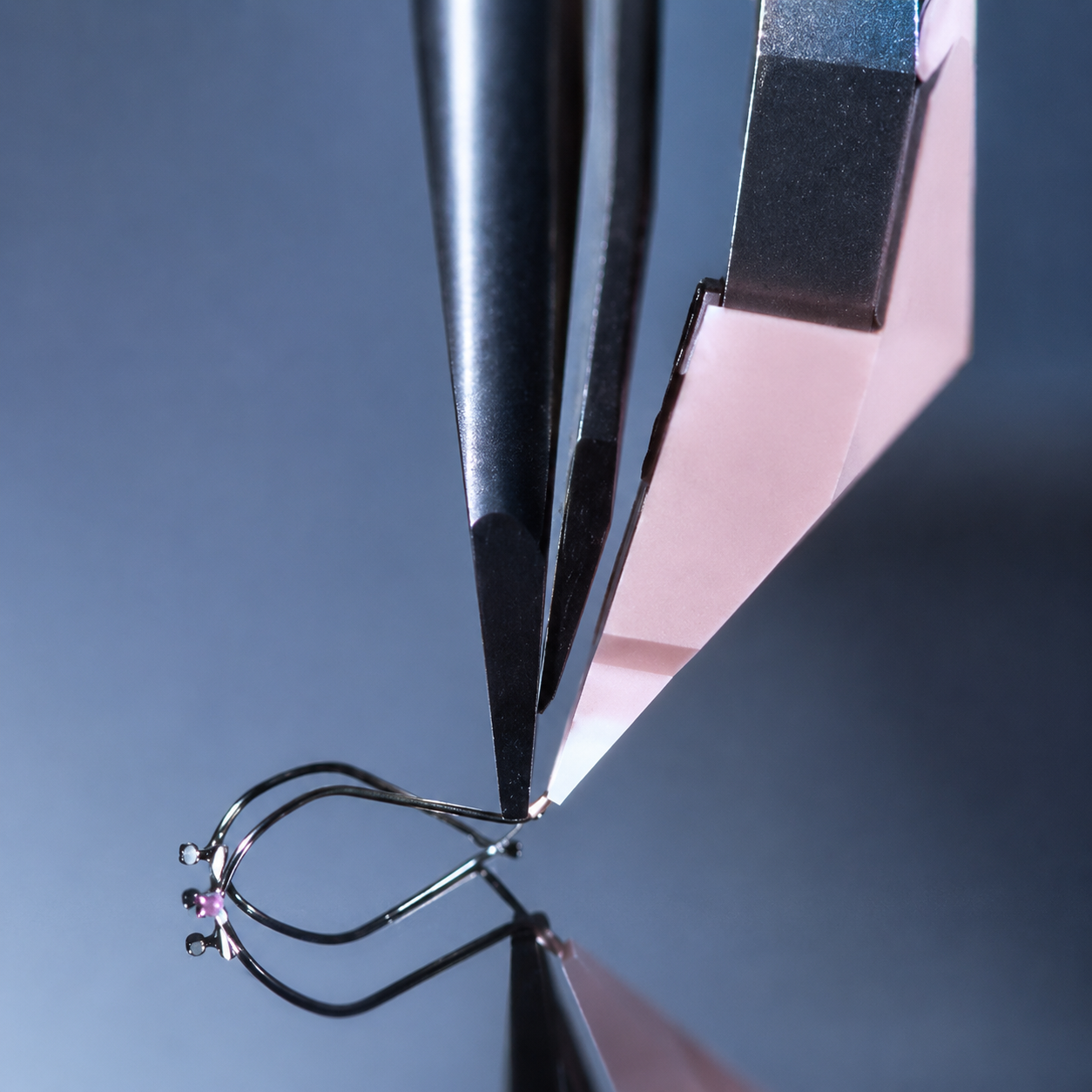
We design, develop and manufacture photonics technology across five areas — optical sources, fiber optic components, optical measurement, fiber optic testing and photonic integration — combining optics, electronics, firmware and mechanics into one connected engineering process, under one roof.
Capability
Six connected disciplines, engineered together rather than sold as isolated parts.
SLED-based broadband and high-stability sources built for sensing, imaging and optical test — the SLED Broadband Source and LumiCore.
Explore sources →Polarization-maintaining and single-mode couplers, isolators, polarizers, collimators, attenuators and patch cables.
Explore components →SM and PM pigtailed photodiodes and PINFET receiver modules for precision optical-to-electrical conversion.
Explore detectors →Multi-channel power measurement with Optixor and full SLED / DFP chip characterization with Elphos.
Explore measurement →High-intensity UV curing with Lutecra for fiber optic packaging, lens alignment and photonic module assembly.
Explore assembly →Custom photonic systems for OEM and application-specific projects, engineered around what the customer actually needs rather than adapted from a catalog part.
Explore development →Products
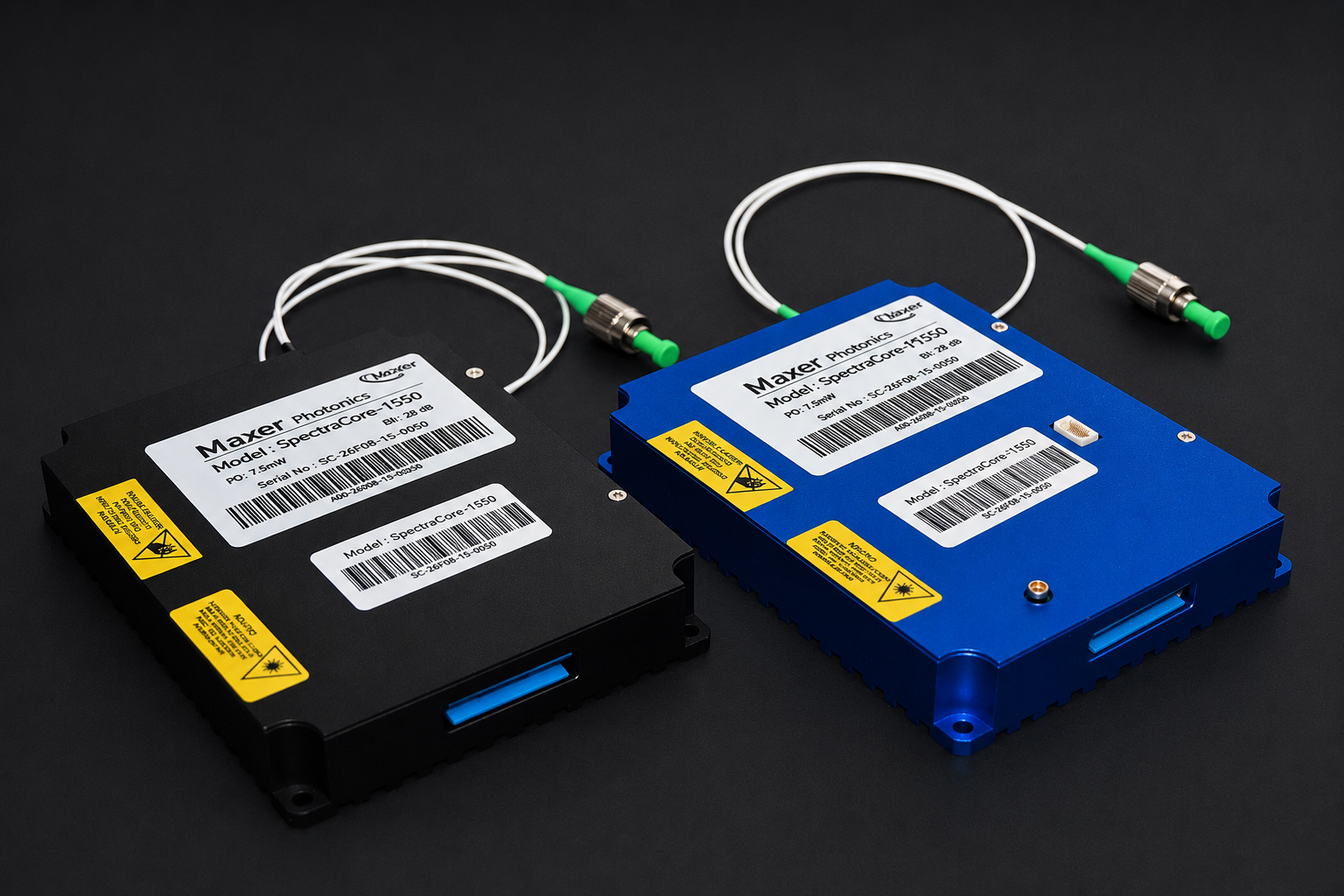
Stable broadband source for sensors, OCT and optical test — under 2% power variation across its operating range.
Explore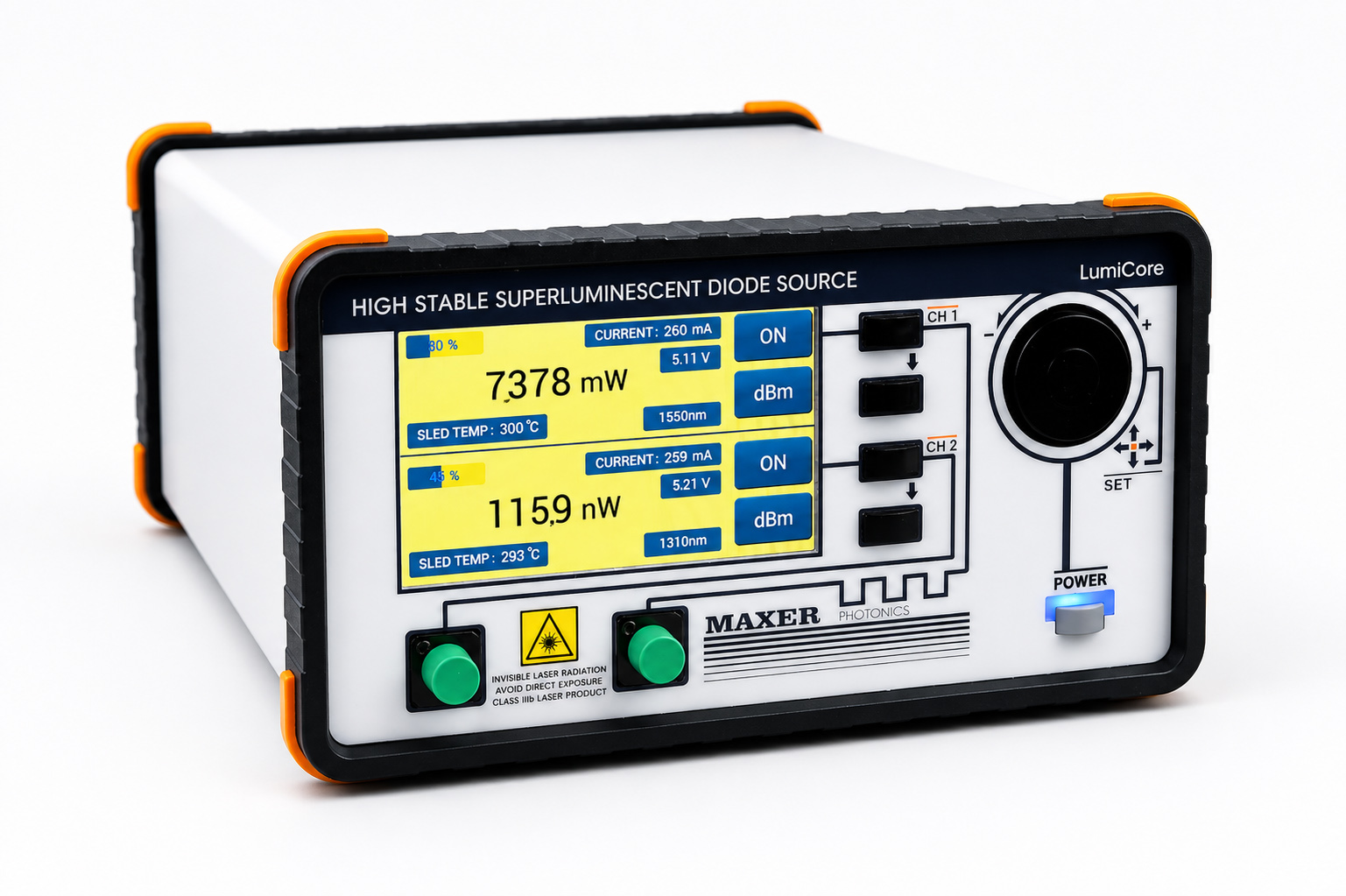
High-stability superluminescent diode source — 850, 1310 or 1550 nm, benchtop-ready with USB / LAN / GPIB control.
Explore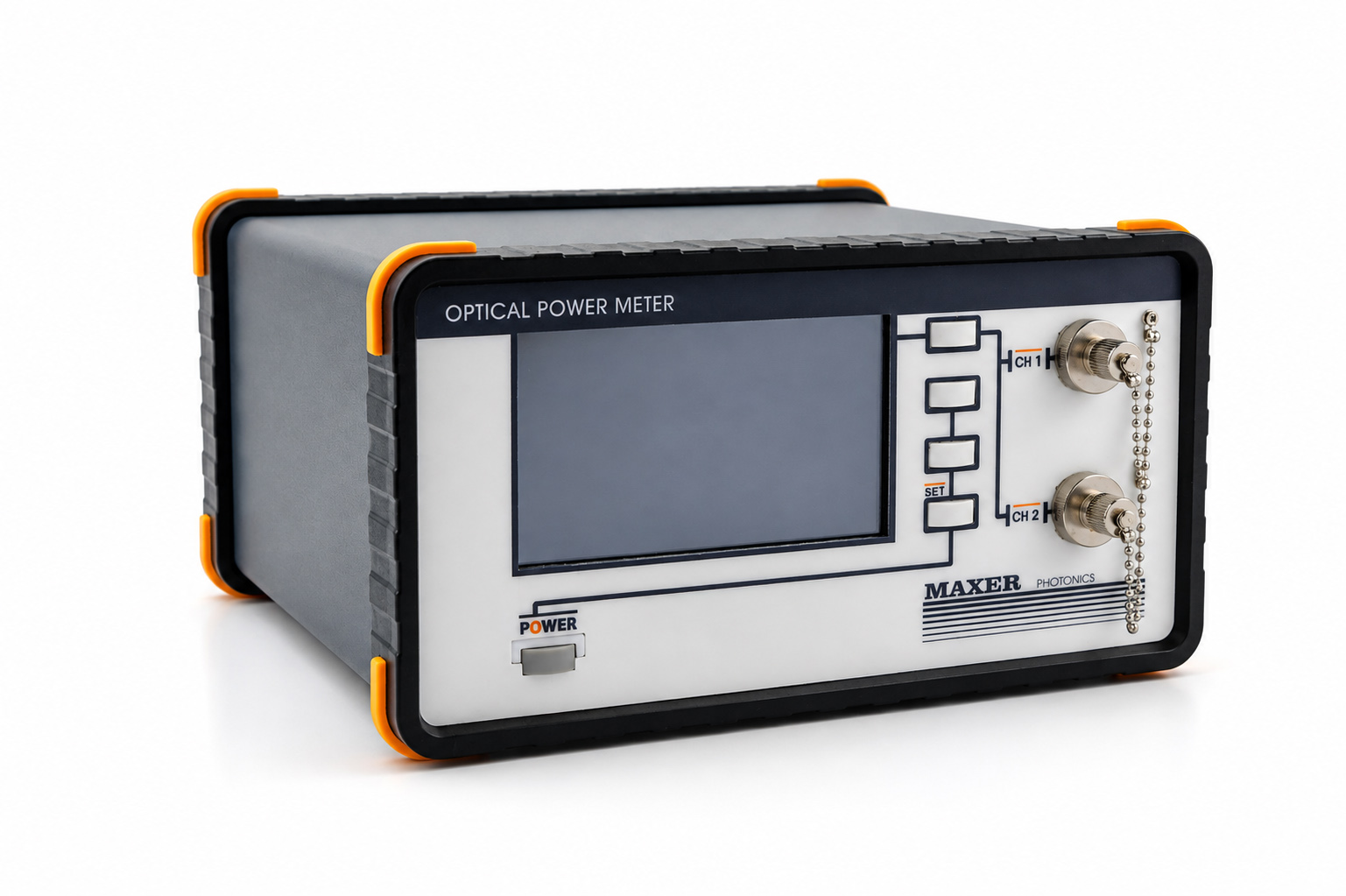
Multi-channel optical power meter — 800–1700 nm, ±3% accuracy, 0.001 dB resolution, up to 10 channels.
Explore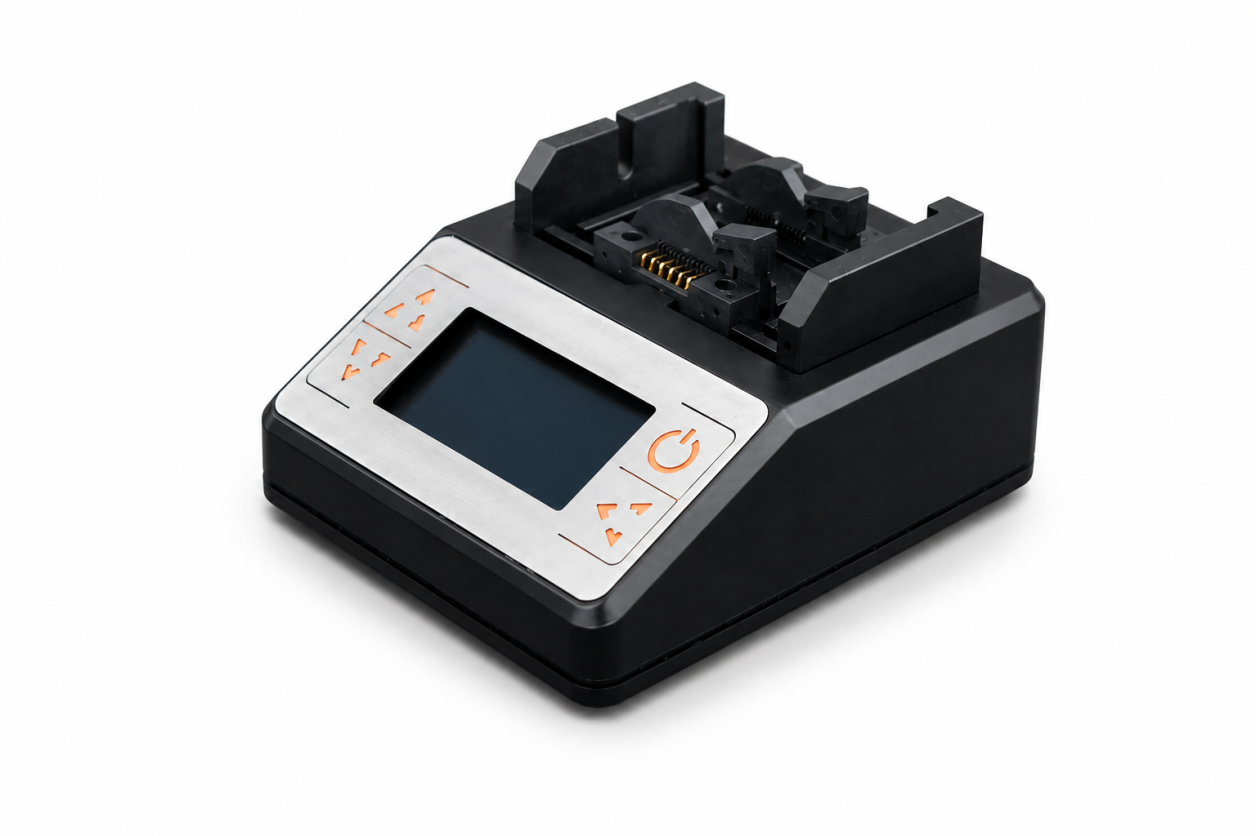
All-in-one electrical and thermal test platform for SLED and DFP chips, 14-pin and 8-pin butterfly packages.
Explore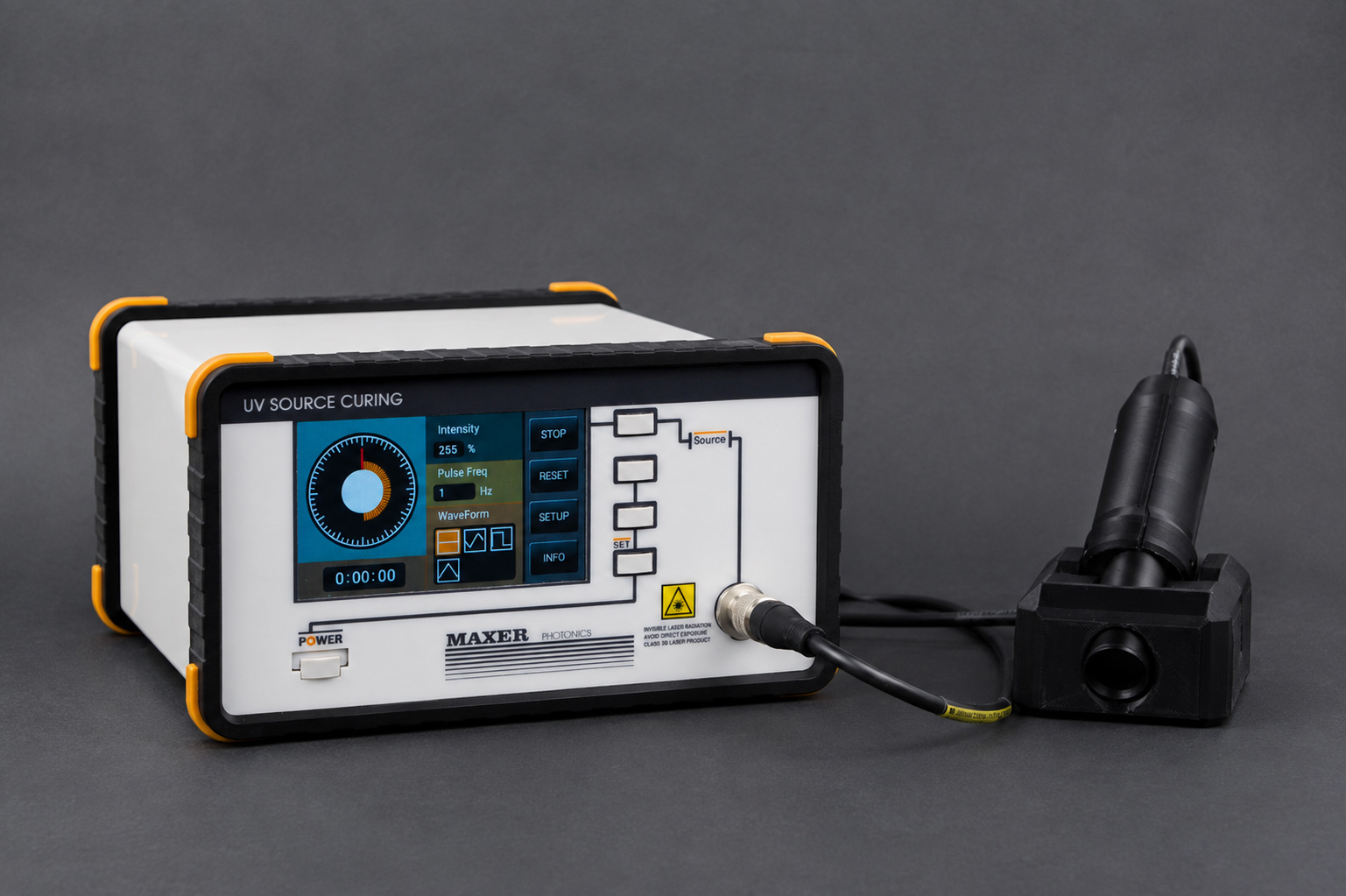
High-intensity UV curing for fiber optic packaging, lens alignment and precision optical bonding.
ExploreIn Depth
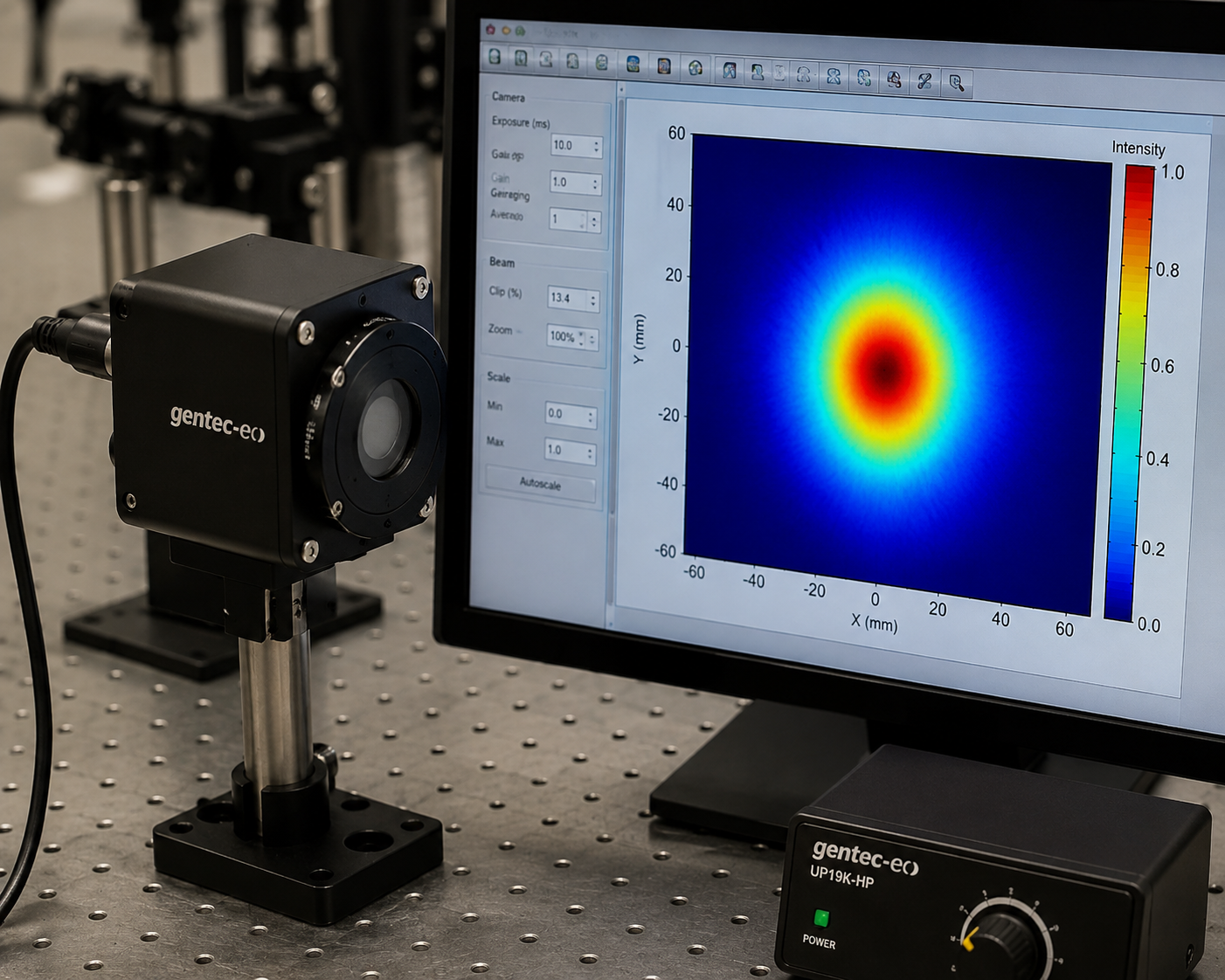
Broadband optical sources are a foundation of modern photonic systems. We develop SLED-based sources for broad spectral coverage, low coherence noise and stable output — paired with precision current control and thermal stabilization to hold performance steady as conditions change.
Learn more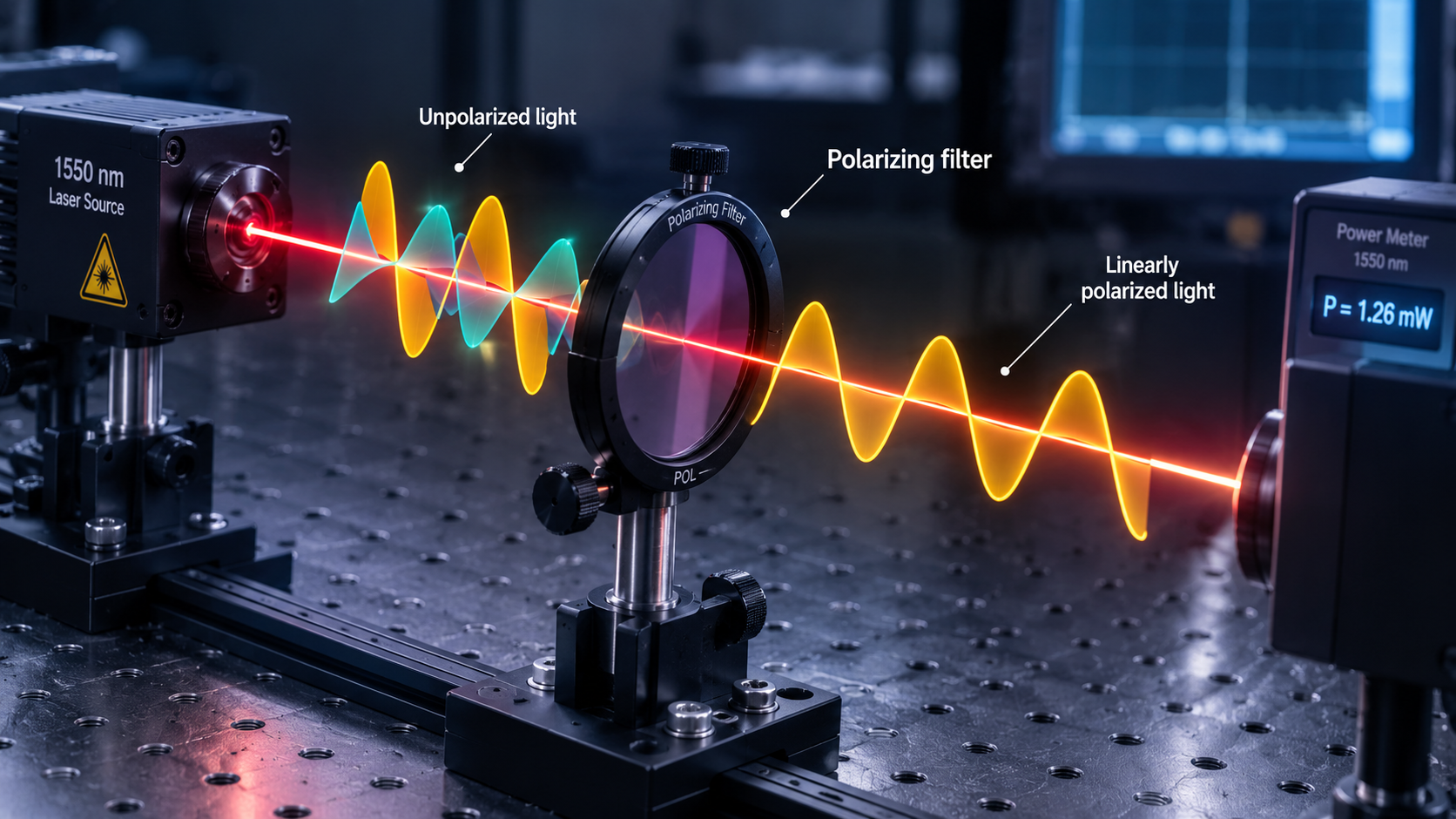
PM fiber components preserve a defined polarization state throughout the optical path — essential for sensitive interferometric and sensing systems. Our couplers, isolators and collimators hold extinction ratios up to 38 dB across operating temperatures from -40 °C to 70 °C.
Learn more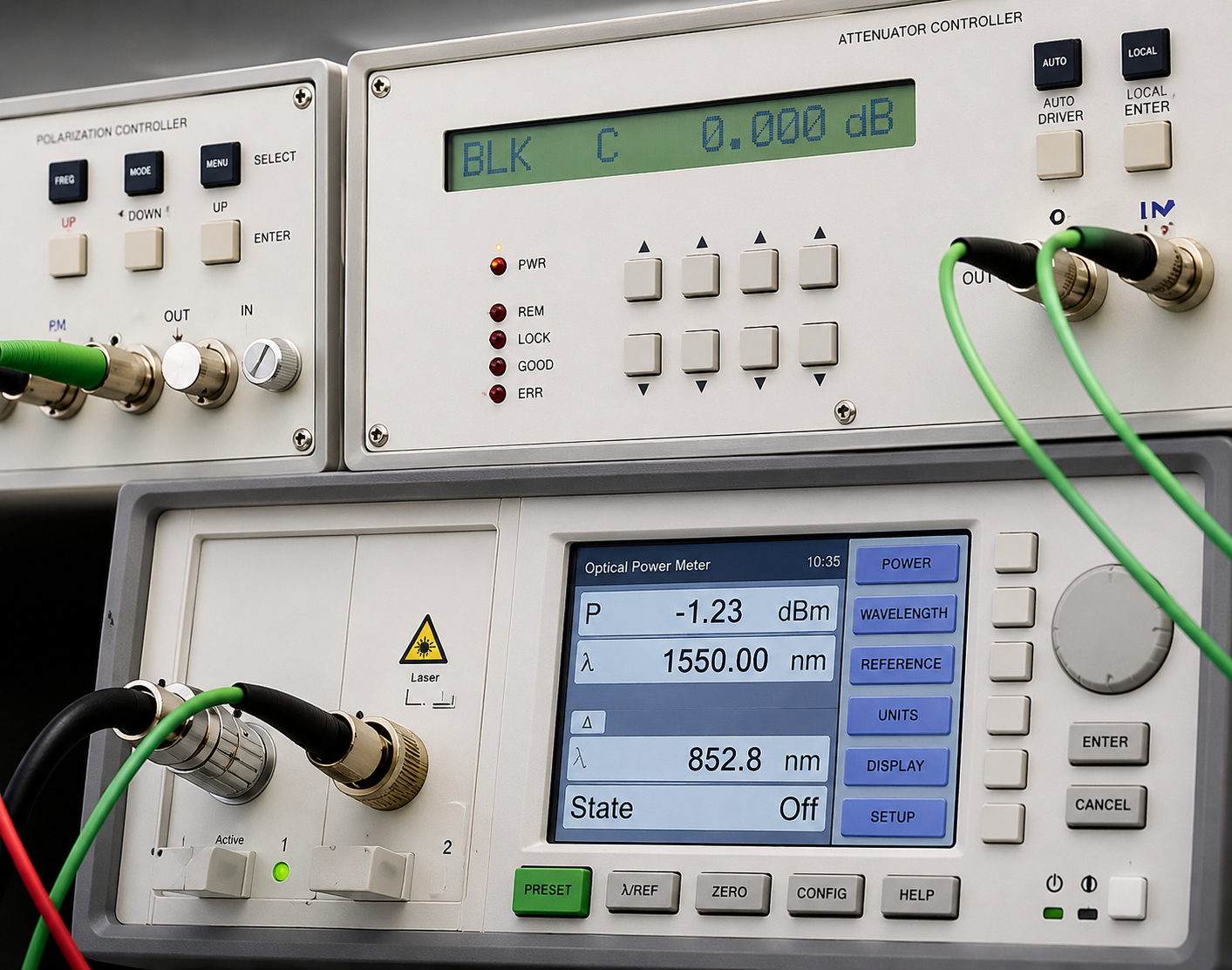
From power monitoring to full chip characterization, our platforms bring optical, electrical and thermal test into one workflow — Optixor covers 800–1700 nm across up to 10 channels; Elphos tests SLED and DFP chips in butterfly packages before final assembly.
Learn moreApplications
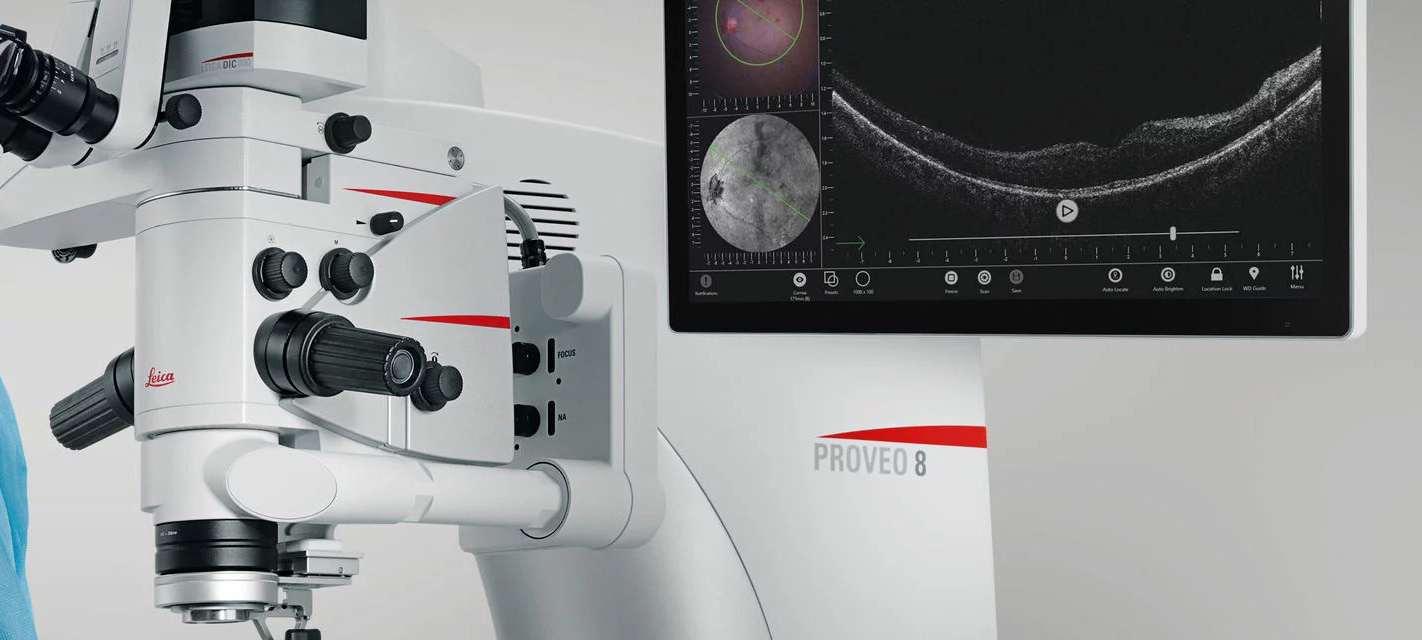
Broadband light reveals cross-sectional structure beneath a surface — a wider, more stable source spectrum resolves finer detail.
Comparing a reference path against a measurement path turns imperceptibly small physical changes into measurable signals.
A stable, well-characterized source is what keeps a diagnostic reading consistent, scan after scan.
Data moves as light through fiber — engineered for high speed, low loss, long distance and multiple channels at once.
Fiber-based sensing keeps measurement electronics out of electrically noisy, high-vibration, high-heat environments.
When an experiment outgrows an off-the-shelf instrument, we build or adapt the source, detector or test setup around it.
The fiber itself becomes the sensor — temperature, strain, vibration and pressure all leave a signature in the returning light.
Custom Development
Every custom photonic system follows the same disciplined process — coordinating optical, electronic, fiber, thermal and mechanical engineering into one connected outcome.
Understanding the optical and system requirements a solution has to satisfy.
Working through the underlying optical principles and architecture.
Precision drive, control and feedback electronics engineered alongside the optics.
A concept becomes hardware, measured and refined iteration by iteration.
Optical, fiber, electronic, thermal and mechanical layers brought together as one system.
Optical, electrical and thermal characterization under controlled conditions.
Verifying system performance holds up under real, repeated use.
Ready for volume production, OEM integration or standalone deployment.
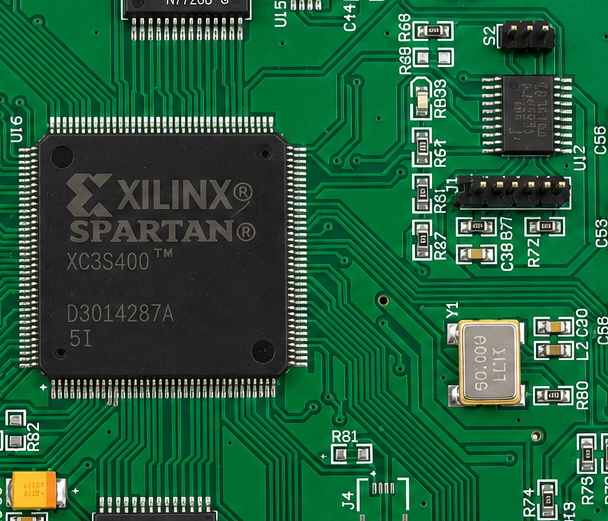
In-House Hardware Development · Custom PCB Design
In-House Electronics
Our photonic systems are supported by in-house electronic design, embedded control and custom hardware development. Precision analog circuits, low-noise current control, FPGA-based architectures and dedicated test electronics — whichever the application actually calls for, it's built specifically for that system rather than adapted from a general-purpose board.
Advanced Packaging
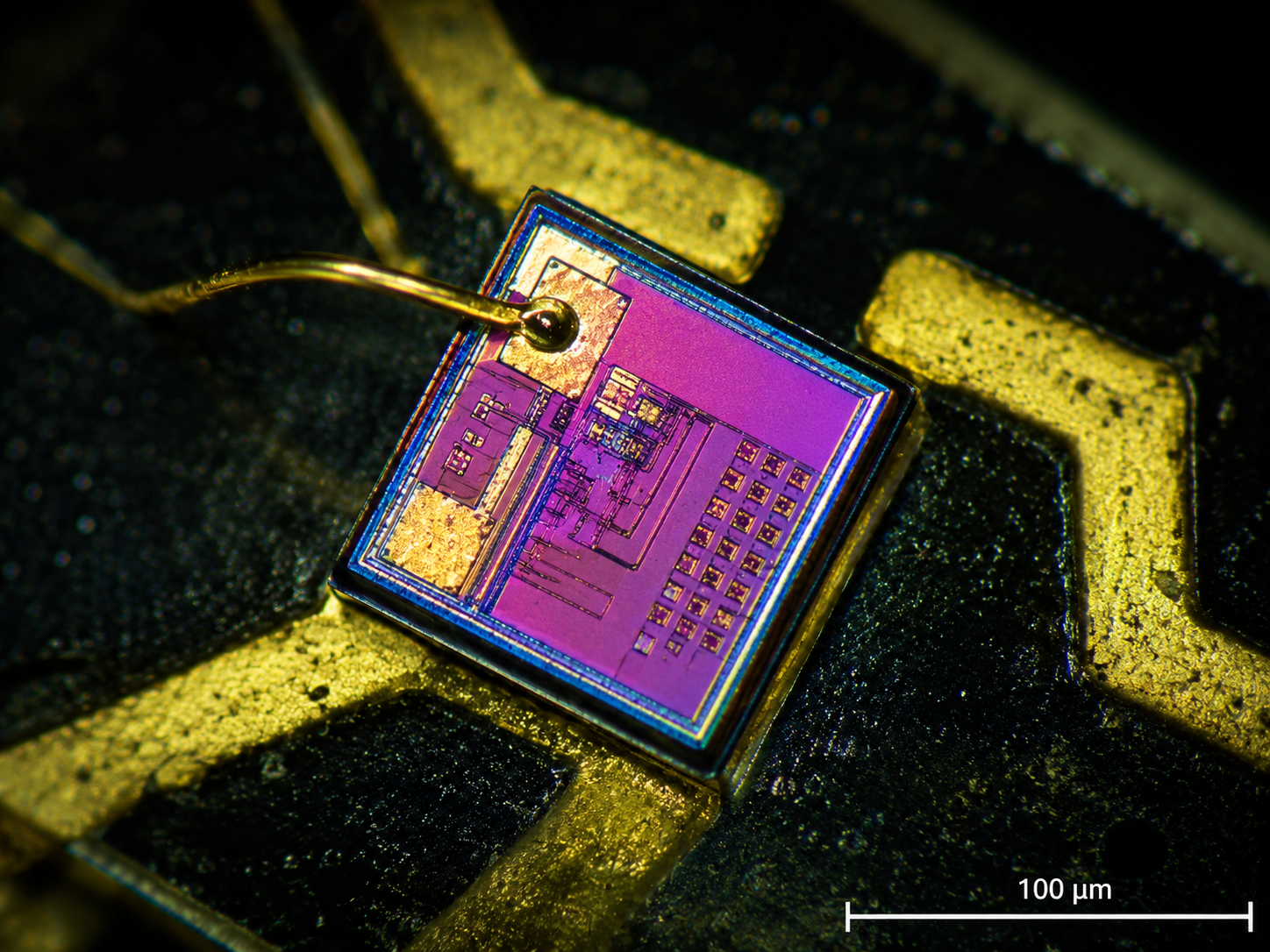
Photonic performance does not end at the chip. Interconnect geometry, wire bonding, thermal paths, electrical design and mechanical assembly all influence the final system, which is why our engineering work has to span all of these layers, not just the optics.
Quality
Every Maxer Photonics product is tested and verified before it leaves our facility. That means precision measurement, environmental testing and long-term reliability checks against optical performance, electrical characteristics, thermal stability and system-level behavior — not just a pass/fail at final inspection.
Company
We design and build our photonic products from Vitoria-Gasteiz, in Spain's Basque Country, and ship to customers across Europe and beyond.
About Maxer PhotonicsFrom a single component to a fully integrated instrument — talk to the team that designs, builds and tests it in-house.