
Engineering optical technologies for demanding applications.
From biomedical imaging to industrial monitoring, the same core photonic disciplines — optical sources, sensing, measurement and integration — take on a different shape in every field they touch.
Photonics, amplified.
Possibilities, redefined.
 Biomedical & Life Sciences
Optical Coherence Tomography (OCT)
Biomedical & Life Sciences
Optical Coherence Tomography (OCT)
 Research & Development
Interferometric Measurement
Research & Development
Interferometric Measurement
 Biomedical & Life Sciences
Biomedical Imaging
Biomedical & Life Sciences
Biomedical Imaging
 Telecommunications & Networks
Optical Communication & Fiber Networks
Telecommunications & Networks
Optical Communication & Fiber Networks
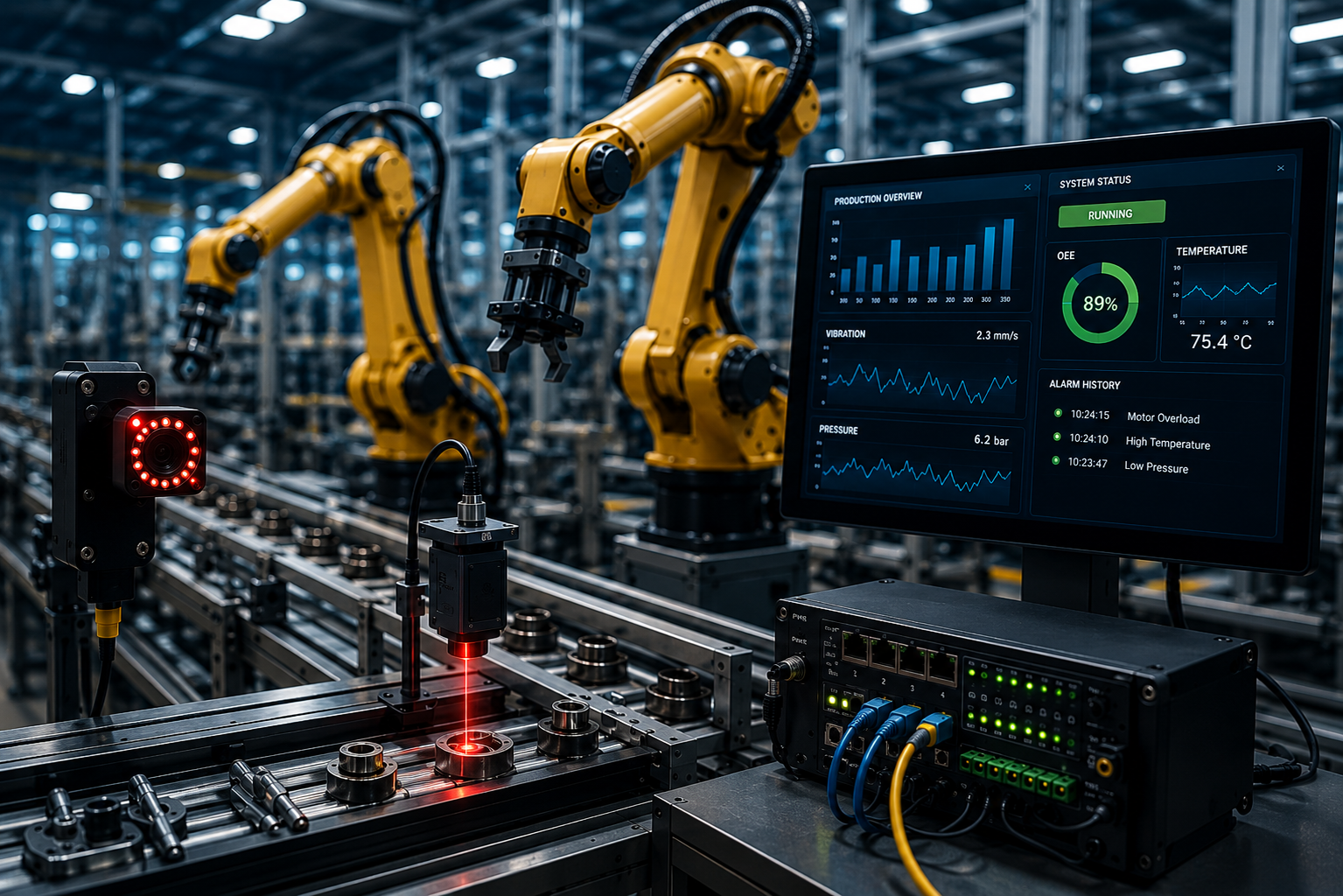 Industrial & Process Monitoring
Industrial Monitoring & Automation
Industrial & Process Monitoring
Industrial Monitoring & Automation
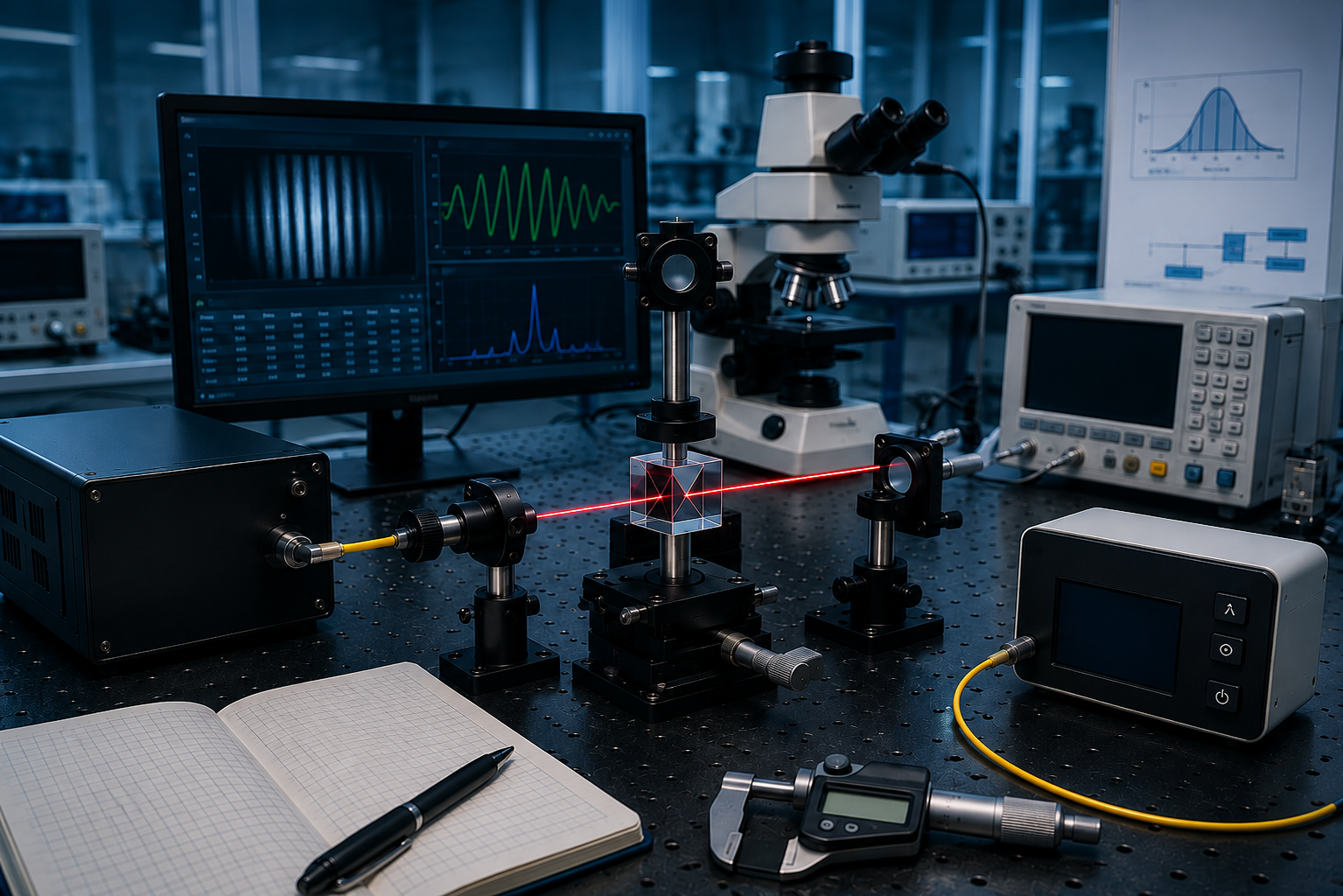 Research & Development
Scientific Research & Precision Metrology
Research & Development
Scientific Research & Precision Metrology
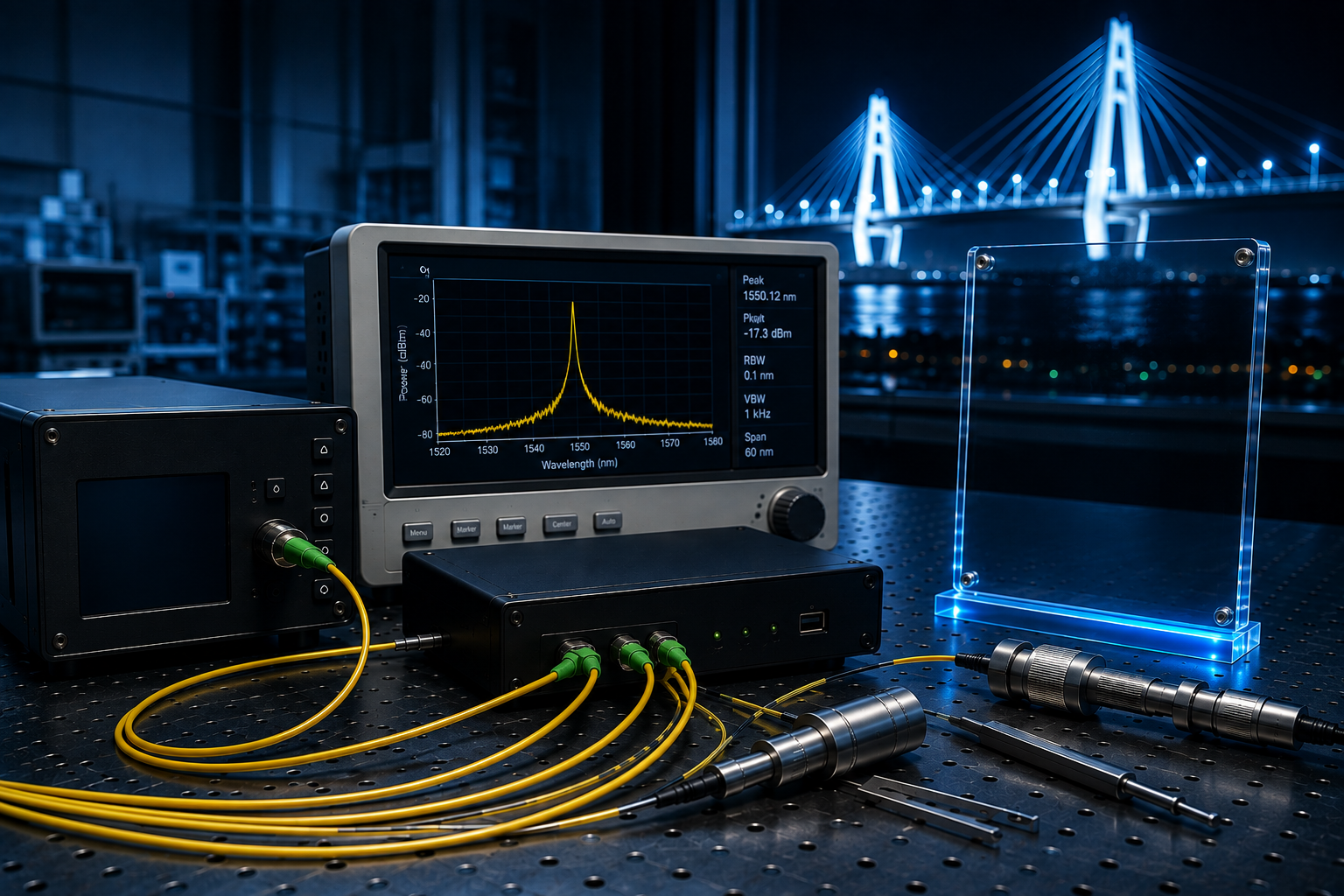 Infrastructure & Energy
Fiber Optic Sensing
Infrastructure & Energy
Fiber Optic Sensing
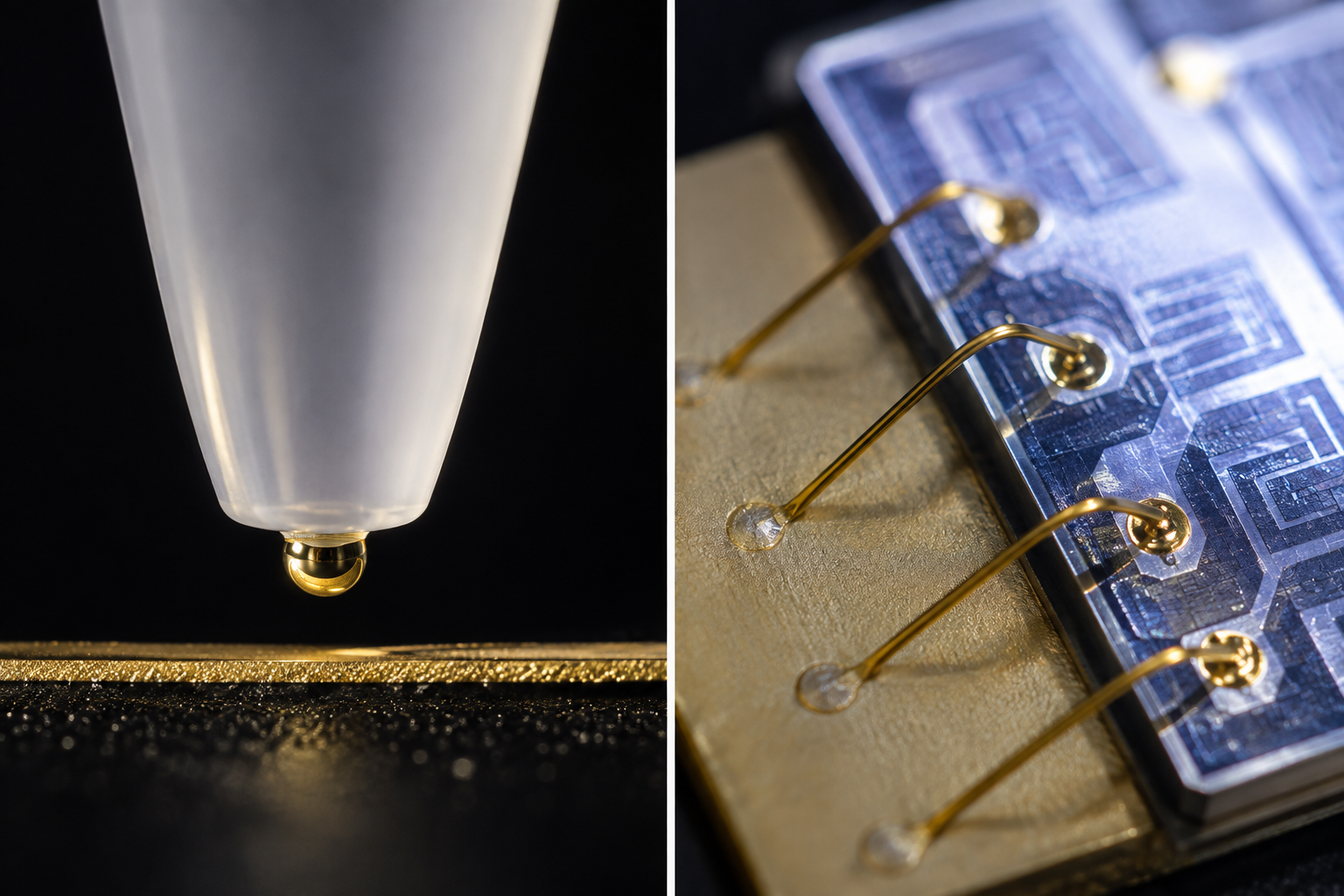 Custom Engineering
Custom Photonic Systems
Custom Engineering
Custom Photonic Systems
Biomedical & Life Sciences
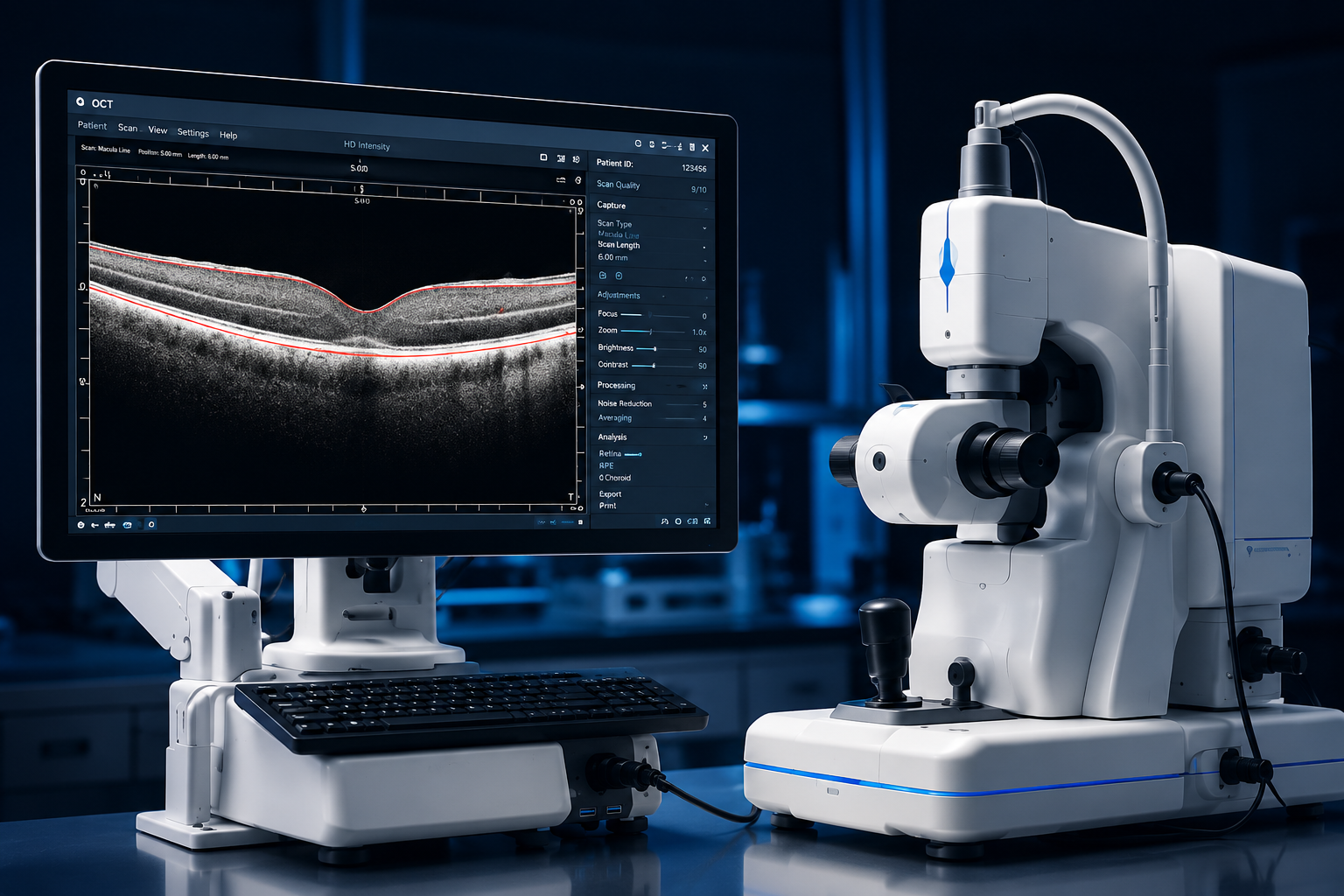
Optical Coherence Tomography (OCT)
Resolving fine internal structure from reflected light.
OCT builds a cross-sectional image of a sample by sending broadband light into it and analyzing the light reflected back from different depths. The wider and more stable the source spectrum, the finer the structural detail the resulting image can resolve. A broadband source illuminates the sample, the reflected signal is captured and compared against a reference, and the result is reconstructed into a depth-resolved image — all without physical contact.
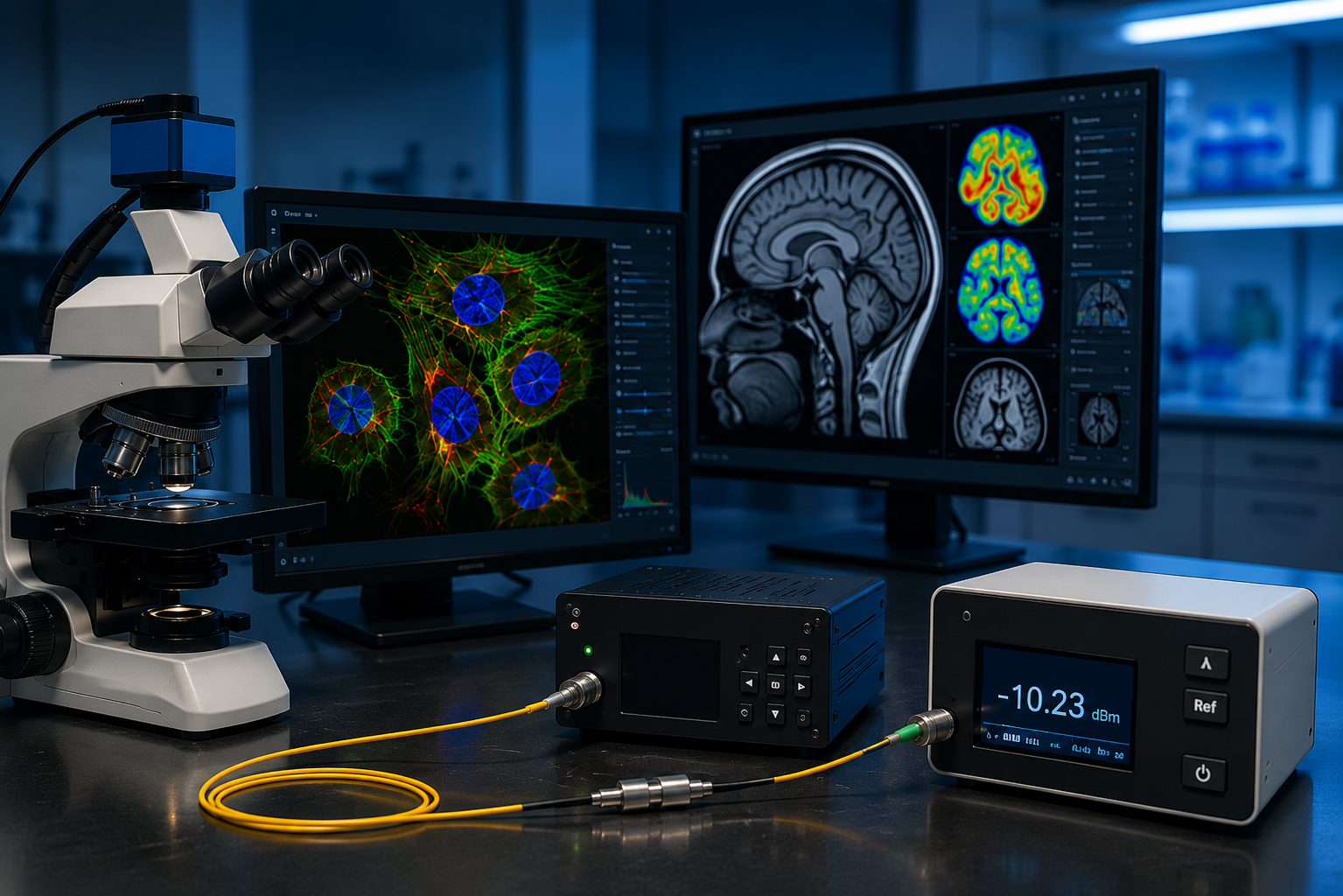
The same non-contact principle extends across biomedical and life-science imaging more broadly — reflected, scattered or fluoresced light building a diagnostic reading without a biopsy or invasive probe. The optical source has to stay stable and well-characterized, since inconsistency there becomes inconsistency in the diagnostic result, and the reading has to hold steady scan after scan.
Real-world value
OCT and related biomedical imaging techniques give clinicians and researchers a non-contact way to see structural detail beneath a surface, repeatable scan after scan without the invasiveness of a biopsy. The quality of that image starts with the stability and bandwidth of the light source driving it.
Relevant Maxer products: LumiCore provides the broadband, stable source OCT and biomedical imaging systems depend on; Optixor supports power measurement during system build and validation.
Telecommunications & Networks
Optical Communication & Fiber Networks
Carrying data on light instead of electricity.
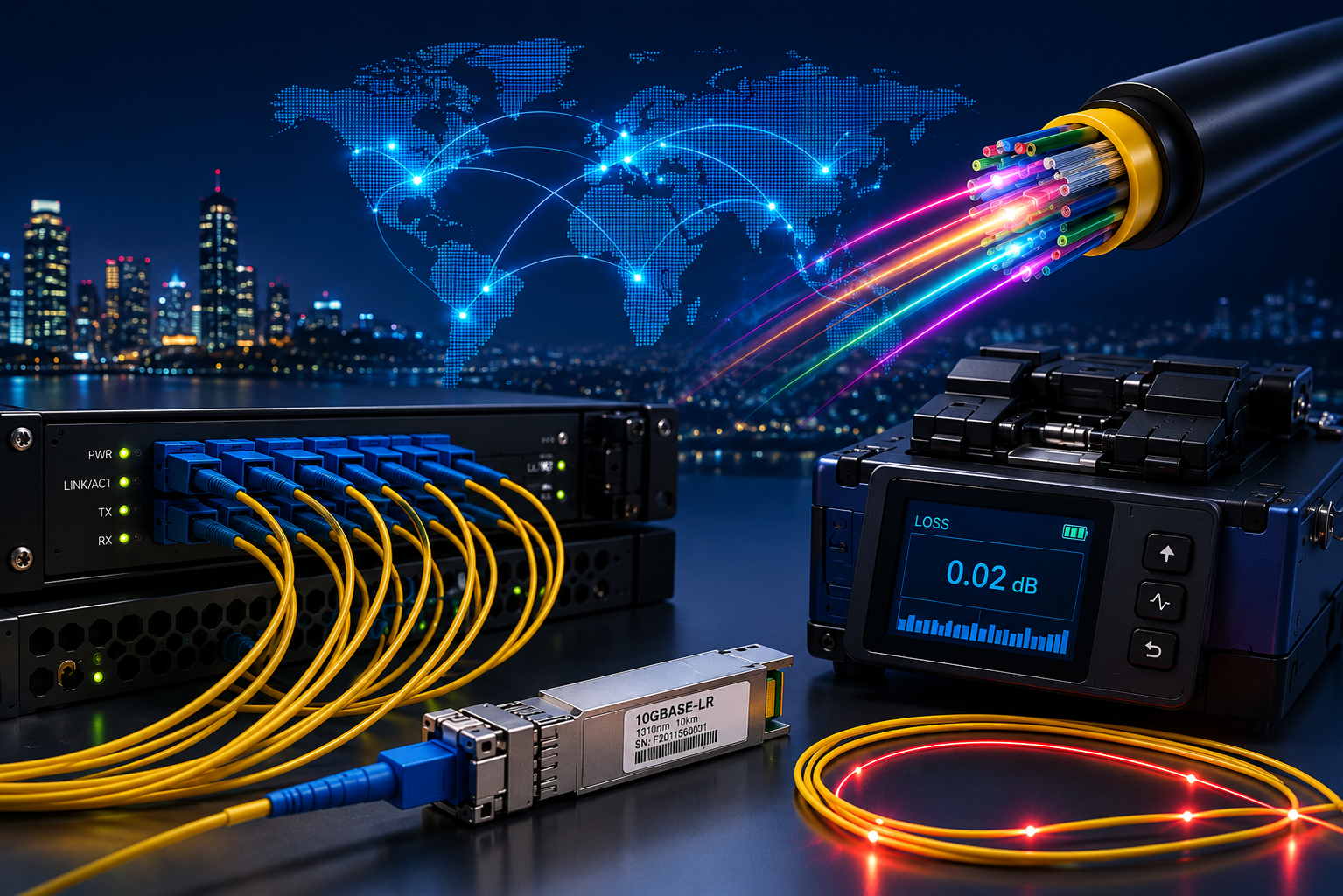
Optical communication encodes data onto light, sends it through fiber, and recovers it at a receiver — over distances and at bandwidths electrical signaling can't match. The fiber components and interfaces along that path each have to preserve signal integrity for the link to work. Testing and characterizing that link is a photonics discipline in its own right.
Real-world value
Reliable optical links are the backbone of modern data transport — and reliability there depends on components and test equipment that catch problems before a link goes into service.
Relevant Maxer products: Optixor monitors optical power across multiple channels of a communication link; LumiCore serves as a broadband test source for characterizing components.

Industrial & Process Monitoring
Industrial Monitoring & Automation
Watching process conditions the electromagnetic environment can't disturb.
Industrial environments are full of electrical noise, vibration and heat — conditions that make fiber-based optical sensing attractive where electrical sensors would struggle. A sensor connected by fiber reports back through changes in the optical signal it returns, interrogated by a stable source and read reliably by monitoring electronics. That reach extends from production-line automation into heavy-process environments — refineries, chemical plants and other continuous processes where measurement equipment has to keep working under heat and electrical load.
Real-world value
Fiber-based monitoring keeps sensing electronics away from the harshest part of the process while still delivering a continuous, actionable reading — reducing downtime risk without adding electrical vulnerability.
Relevant Maxer products: LumiCore provides a stable interrogation source for fiber sensors, while Optixor monitors the returning optical power across multiple channels.
Research & Development
Scientific Research & Precision Metrology
Instrumentation built for measurements that matter.
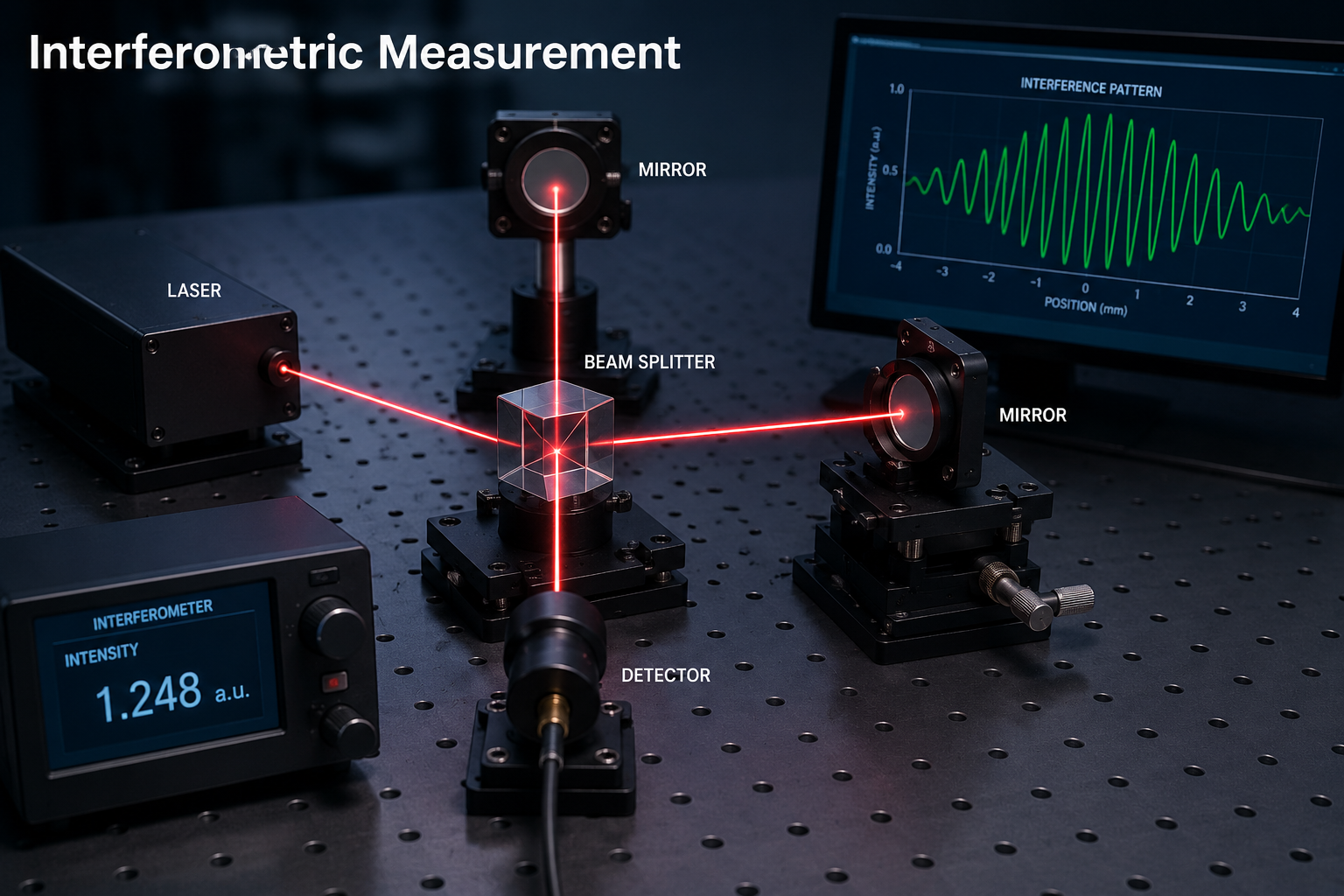
Research and metrology work often pushes past what an off-the-shelf instrument was designed for, requiring a source, detector or test setup built or adapted around a specific experiment. Interferometric techniques are common here — splitting light into a reference path and a measurement path, then recombining them, so that a change in length, temperature or refractive index along the measurement path shows up as a change in the resulting interference pattern. It's one of the most sensitive ways to detect a small physical change, and it underpins everything from OCT to laboratory metrology instruments. What separates research-grade photonics from a general-purpose product is documented, verifiable performance — and the flexibility to be adapted for a use case that hasn't been standardized yet.
Real-world value
Research that depends on optical measurement needs equipment whose behavior is understood and trusted — freeing researchers to focus on what they're studying rather than second-guessing the instrument.
Relevant Maxer products: LumiCore serves as a research-grade source; Elphos characterizes custom photonic devices under development; Optixor provides multi-channel power measurement.

Infrastructure & Energy
Fiber Optic Sensing & Structural Health Monitoring
Letting the fiber itself do the sensing.
In fiber optic sensing, the fiber isn't just carrying light between two points — it's the sensing element. Temperature, strain, vibration or pressure acting on the fiber changes the light traveling through it, and that change is what gets measured. Because the sensing point can sit far from the electronics reading it, and because it's immune to electromagnetic interference, fiber sensing reaches places conventional sensors can't.
That reach is what makes it well suited to structural health monitoring — running distributed sensing fiber along a bridge, tunnel or other critical structure to track strain and movement continuously, across distances and in outdoor conditions where electrical instrumentation is harder to maintain. The same properties apply to power infrastructure, where fiber sensing can monitor substations and high-voltage equipment without adding electrically conductive sensors to an already electrically hazardous environment.


Real-world value
Fiber sensing gives engineers a way to monitor conditions in places that are hard to reach, electrically hostile, or simply too extensive for point sensors — without adding electronics at the sensing point itself.
Relevant Maxer products: LumiCore interrogates the sensing fiber; Optixor measures the returning optical power across multiple sensing channels.
Custom Engineering
Custom Photonic Systems
Engineering built around your requirement, not the other way around.
Not every application fits an off-the-shelf source, detector or test instrument. When a requirement falls outside a standard product's range — a non-standard wavelength, a tighter tolerance, an unusual form factor or an integration constraint — it calls for a system engineered from the optical, electronic, fiber, thermal and mechanical layers up, rather than adapted after the fact.
Maxer Photonics runs that process in-house, from initial concept and optical design through prototyping, precision assembly and UV-cured packaging to full electrical, thermal and optical validation — so a custom system is built and proven under the same discipline as a standard product.
Real-world value
A system engineered end-to-end for the actual requirement avoids the compromises of forcing a standard part to do a job it wasn't designed for — and stays supportable because one team understands every layer of it.
Relevant Maxer products: Lutecra performs precision UV curing during assembly; Elphos and Optixor validate the finished system's electrical, thermal and optical performance.
Not sure which technology fits your application?
Talk to our engineering team about your specific requirement.